
Agentic AI
5 min read
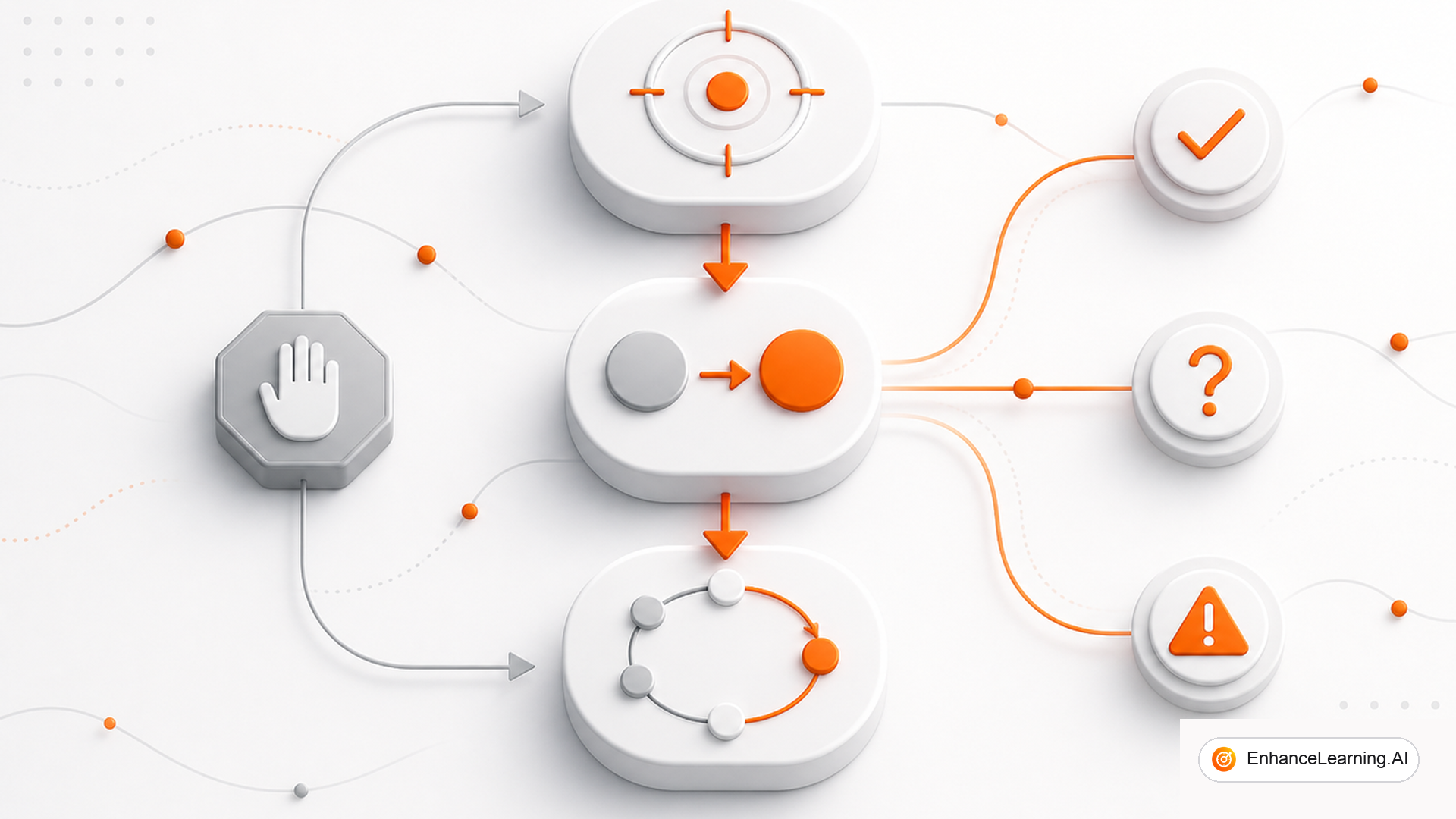
Loop Engineering for Agentic Systems
How to design agent loops that terminate: observe, decide, act, verify — with budgets, escapes, and feedback that does not spin forever.
Loop EngineeringAgentic AIControl Flow
Discover technical research, architectural patterns, implementation guidance, and engineering best practices for production-grade AI-native systems.
Showing 1–15 of 100 articles
Page 1 of 7
How to design agent loops that terminate: observe, decide, act, verify — with budgets, escapes, and feedback that does not spin forever.
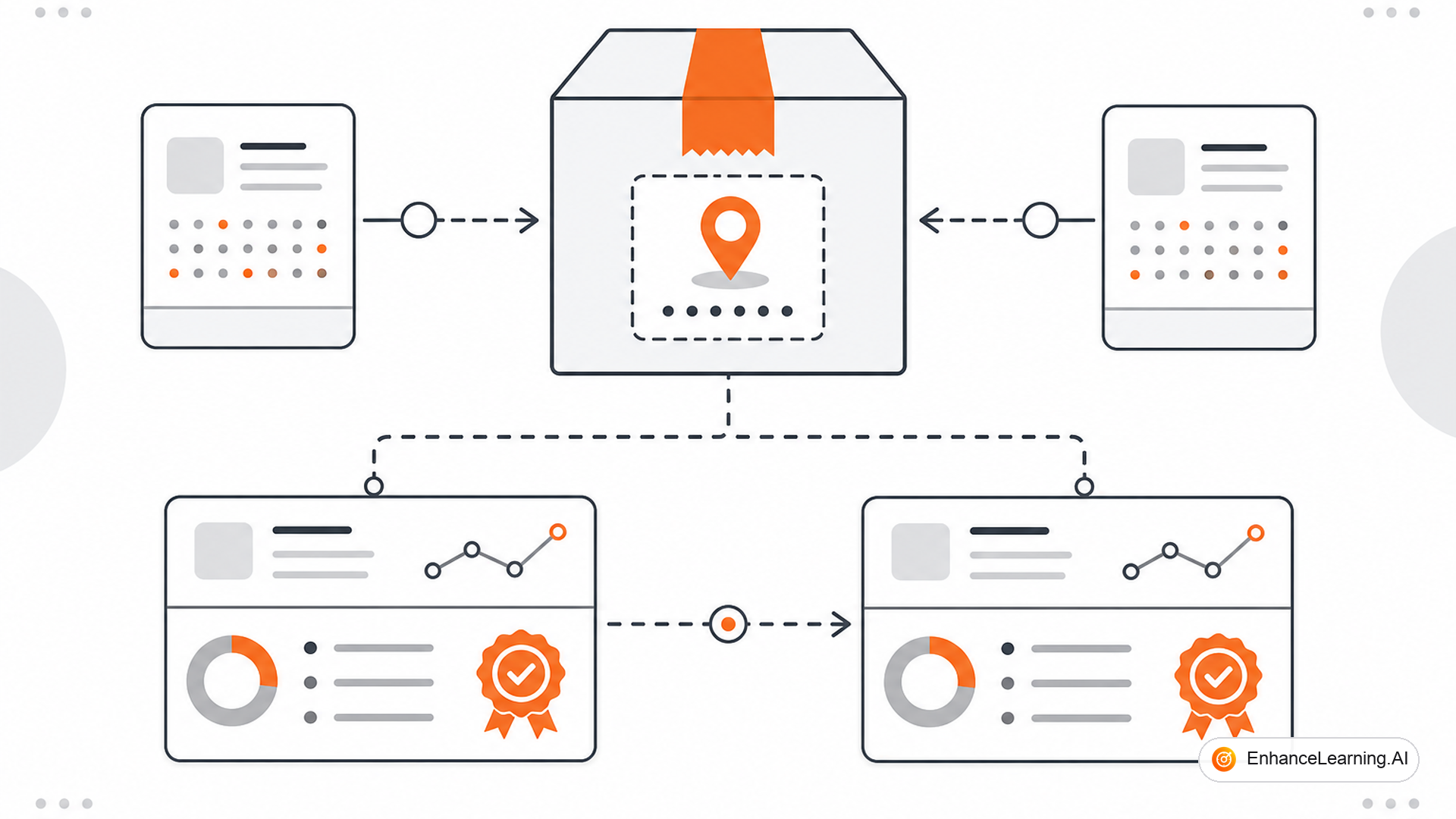
Eval results you cannot replay are opinions. Seed control, environment pinning, and auditable artifacts make evaluation pipelines trustworthy.
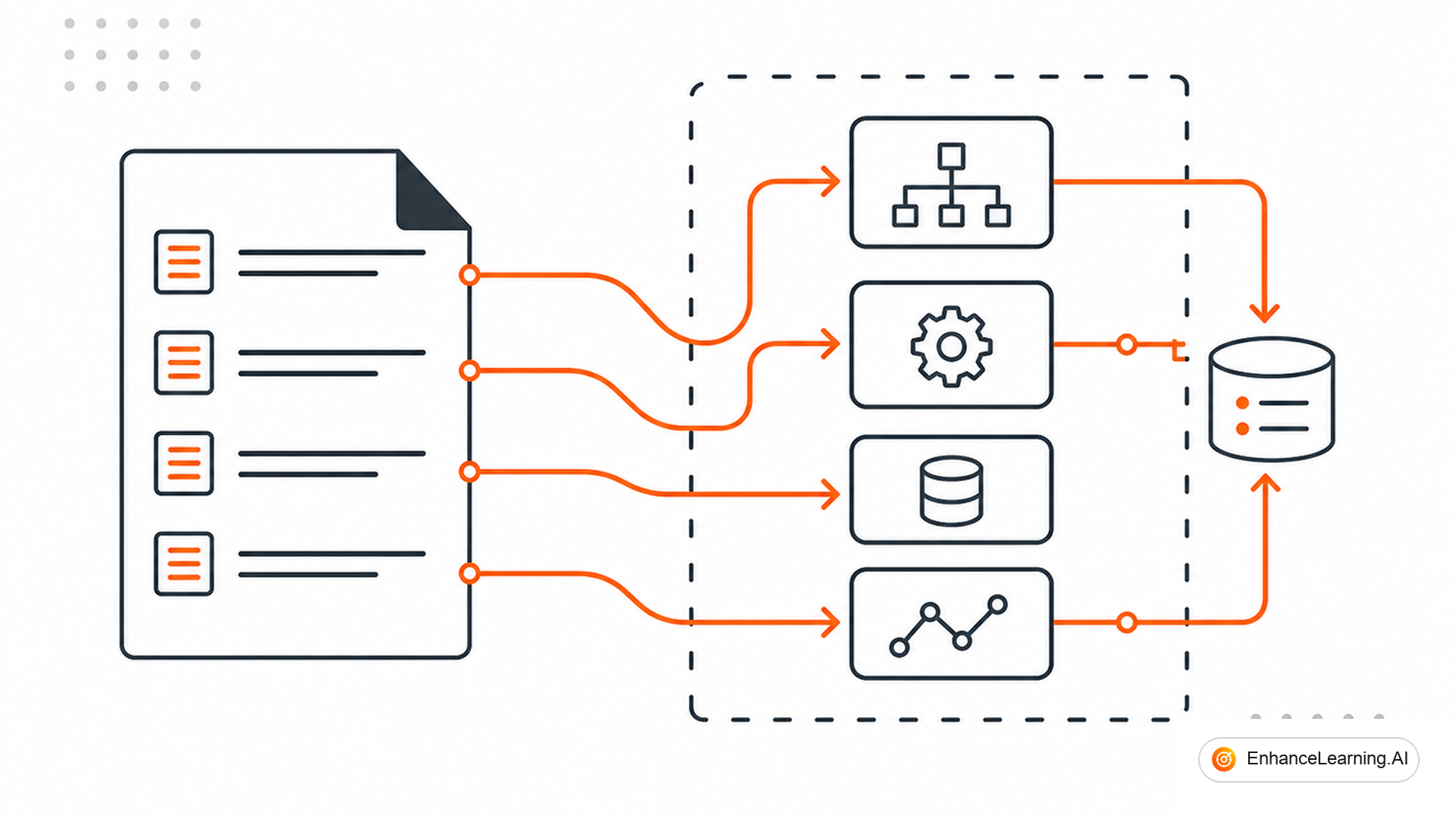
Prompt length, role structure, and tool definitions leak into service boundaries, data flows, and API contracts — coupling teams thought was decoupled.

The agent harness is the real product: tools, permissions, state, stops, and telemetry around a thin model call.
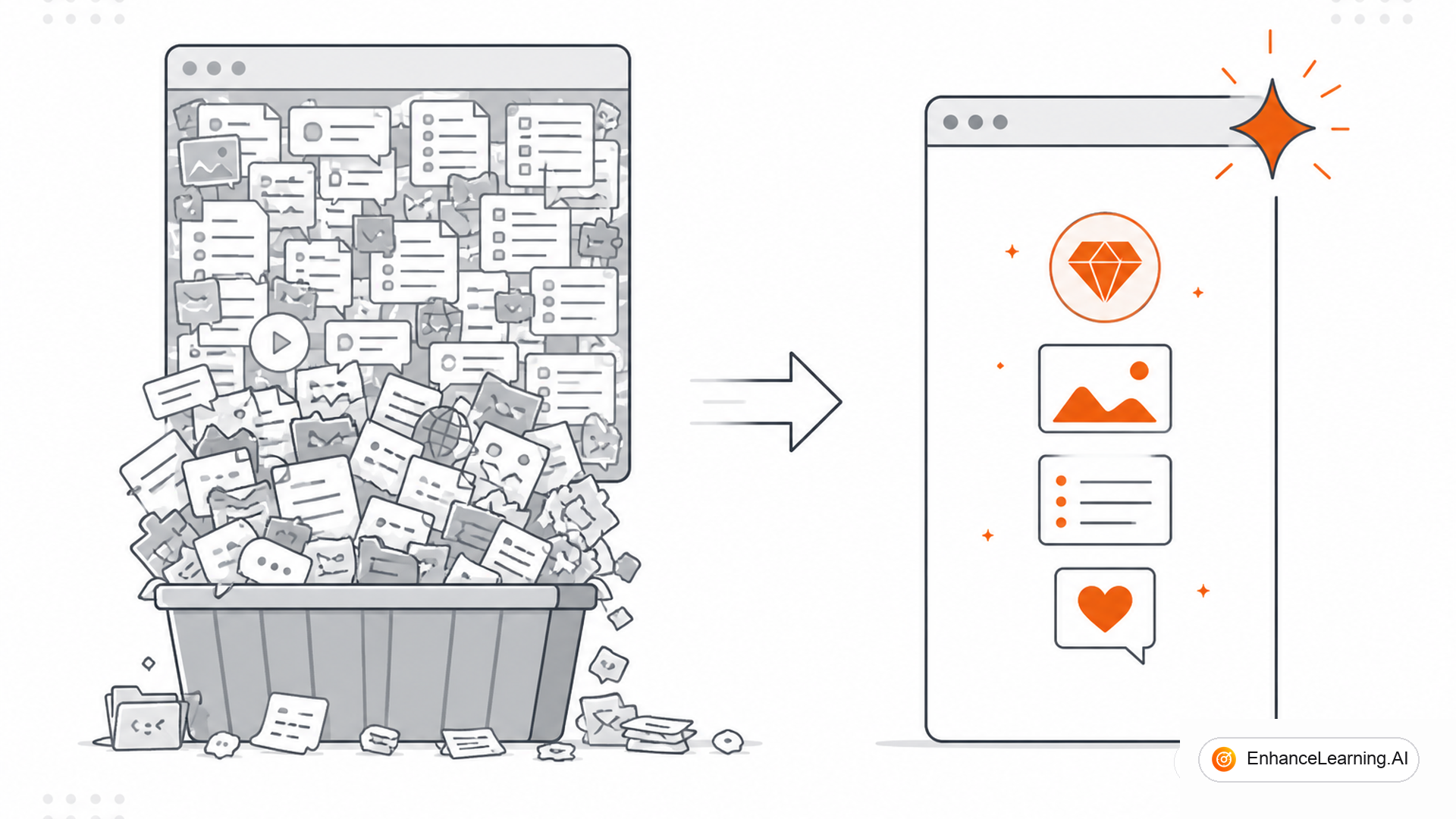
Stuffing the context window with more text often hurts LLM output — irrelevant tokens add noise, latency, and cost. Curation beats volume in production.
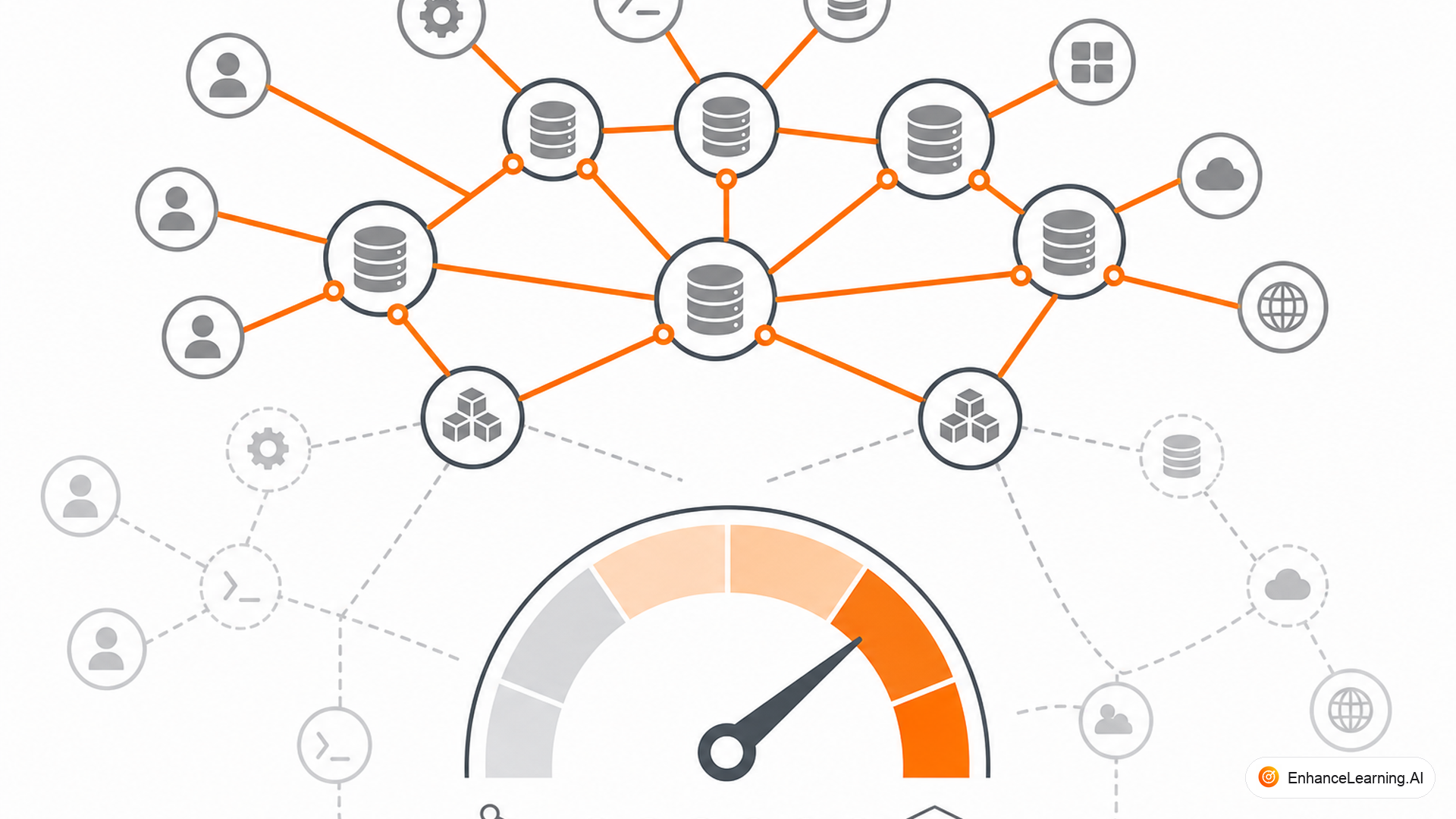
Interoperability follows adoption breadth, consistent implementations, and ecosystem health — not spec compliance alone.
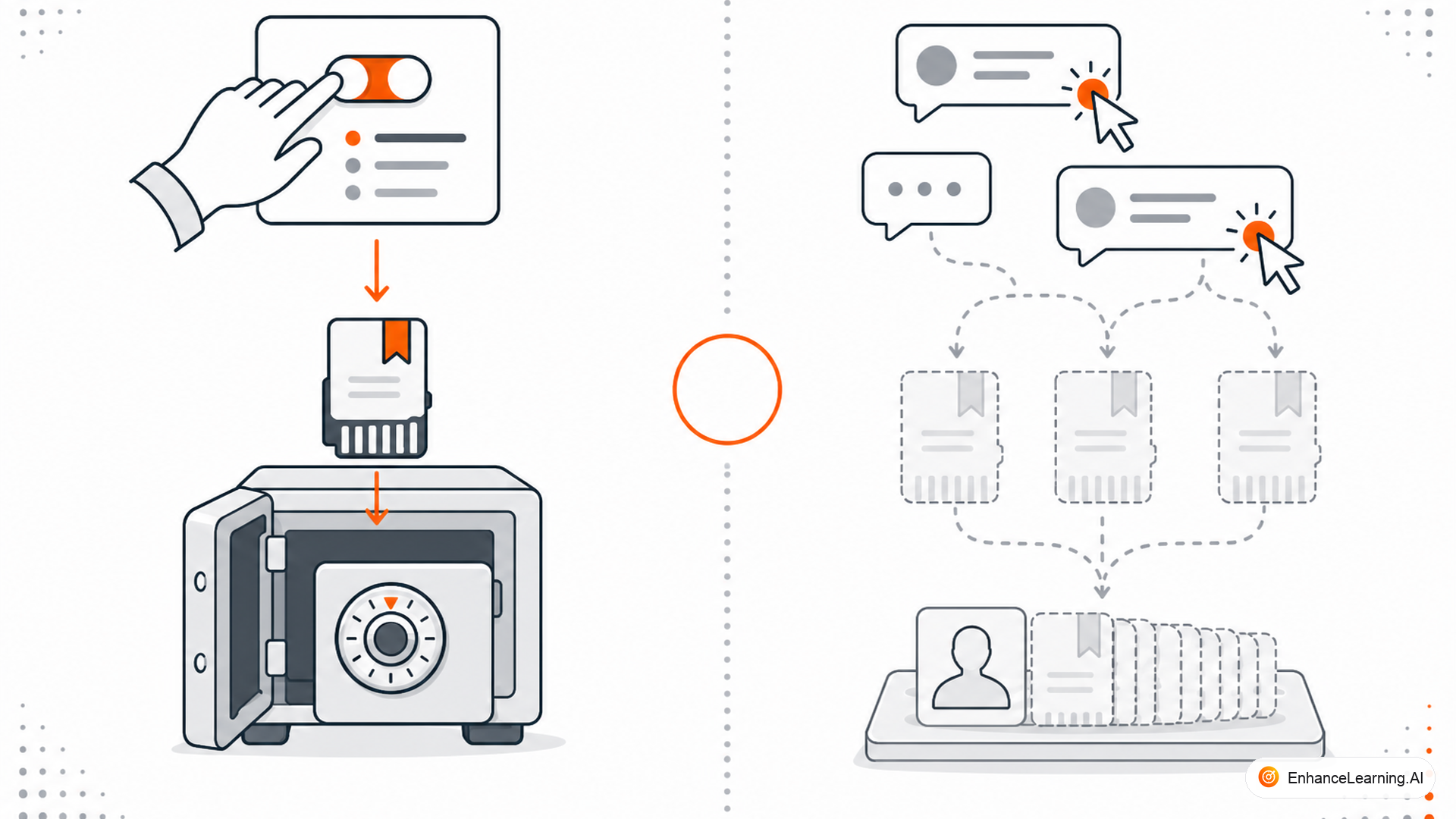
Explicit memory is what users or systems deliberately store. Implicit memory is inferred from behavior. Mixing them without labels breaks trust and consent.
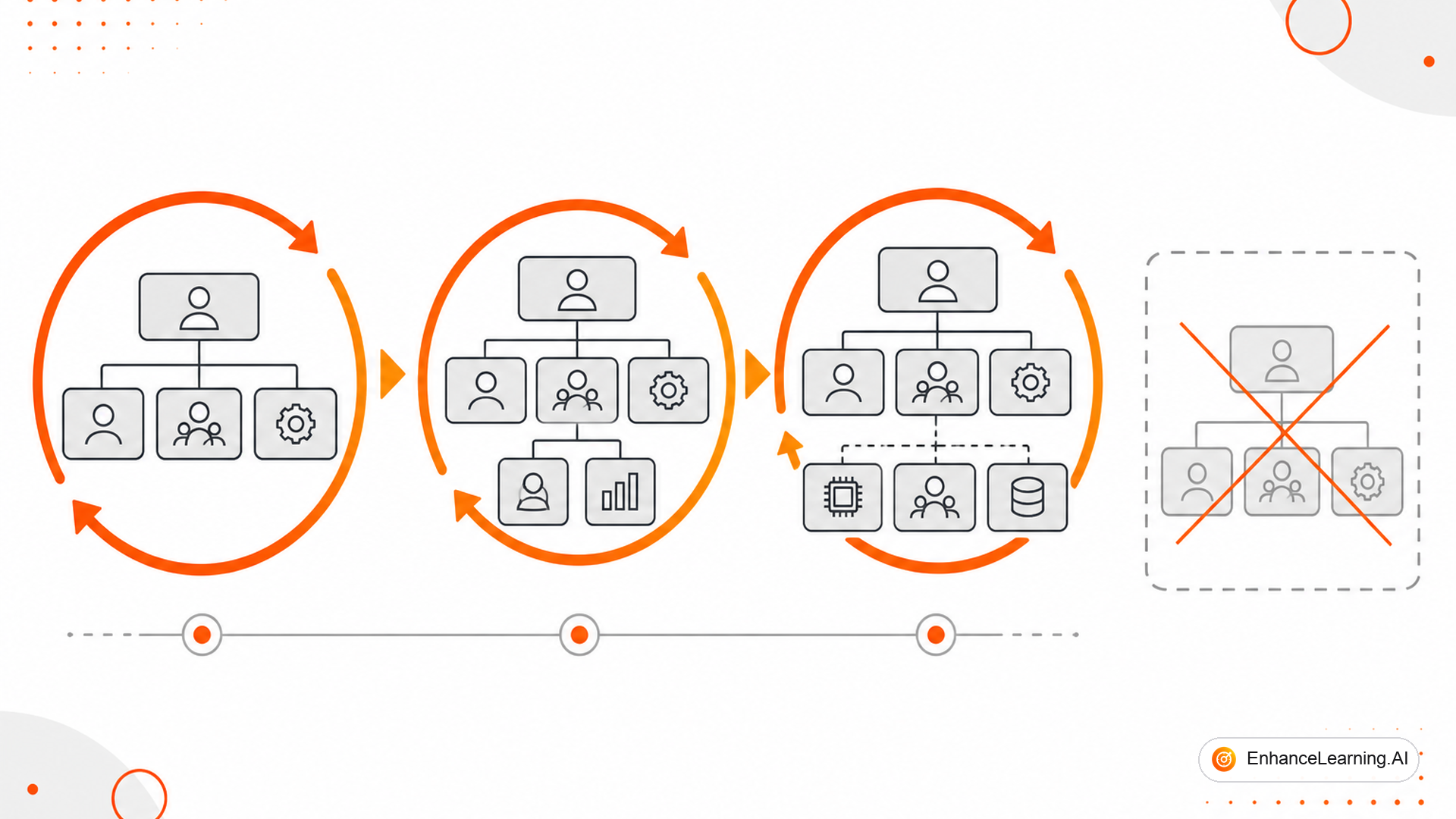
Enterprise AI operating models must evolve with capability, maturity, and priorities — not stay frozen after a one-time setup.
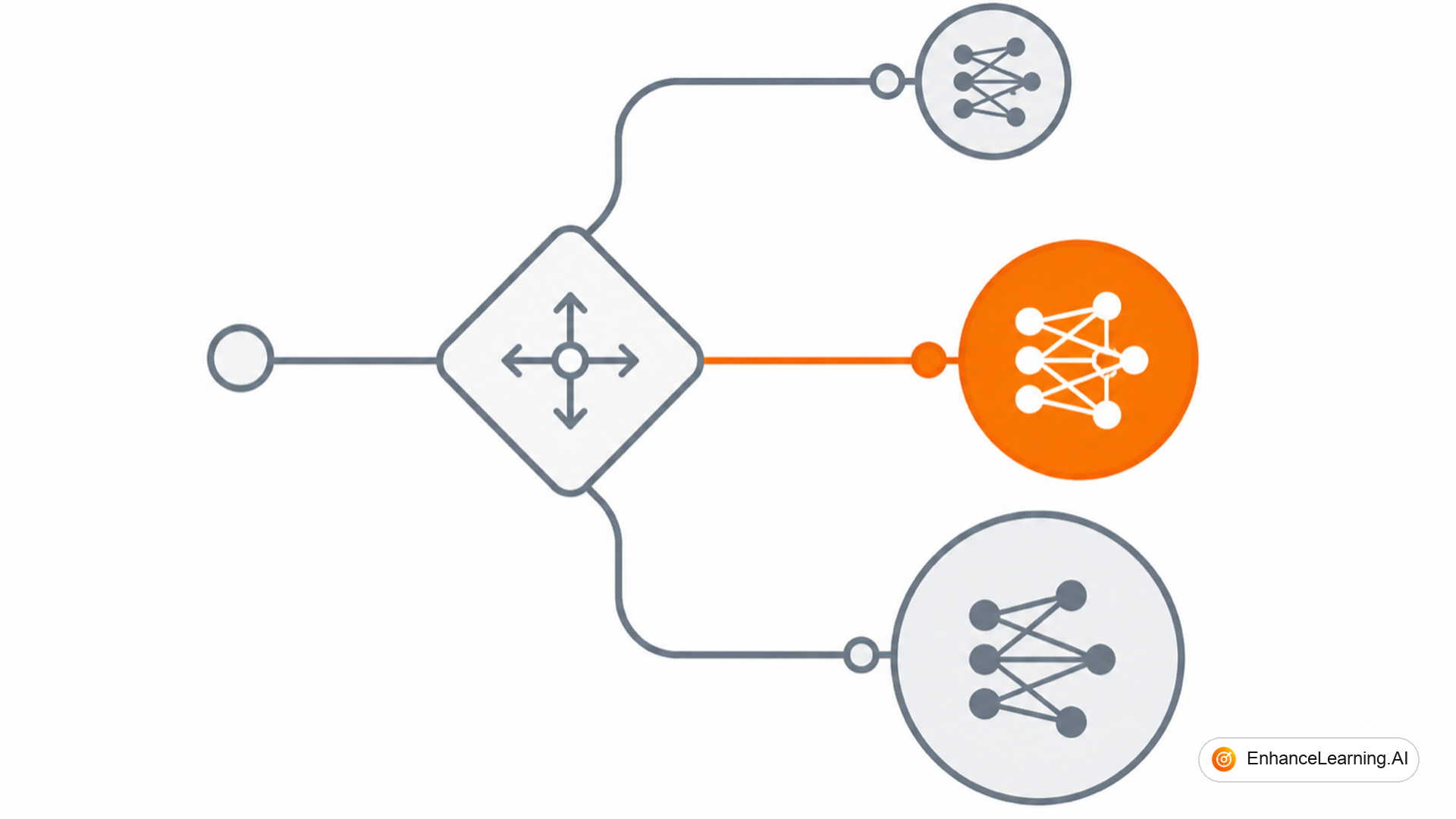
A practical framework for choosing enterprise models: task fit, context and tool needs, cost-latency envelopes, eval gates, and when to use routers instead of one frontier model.
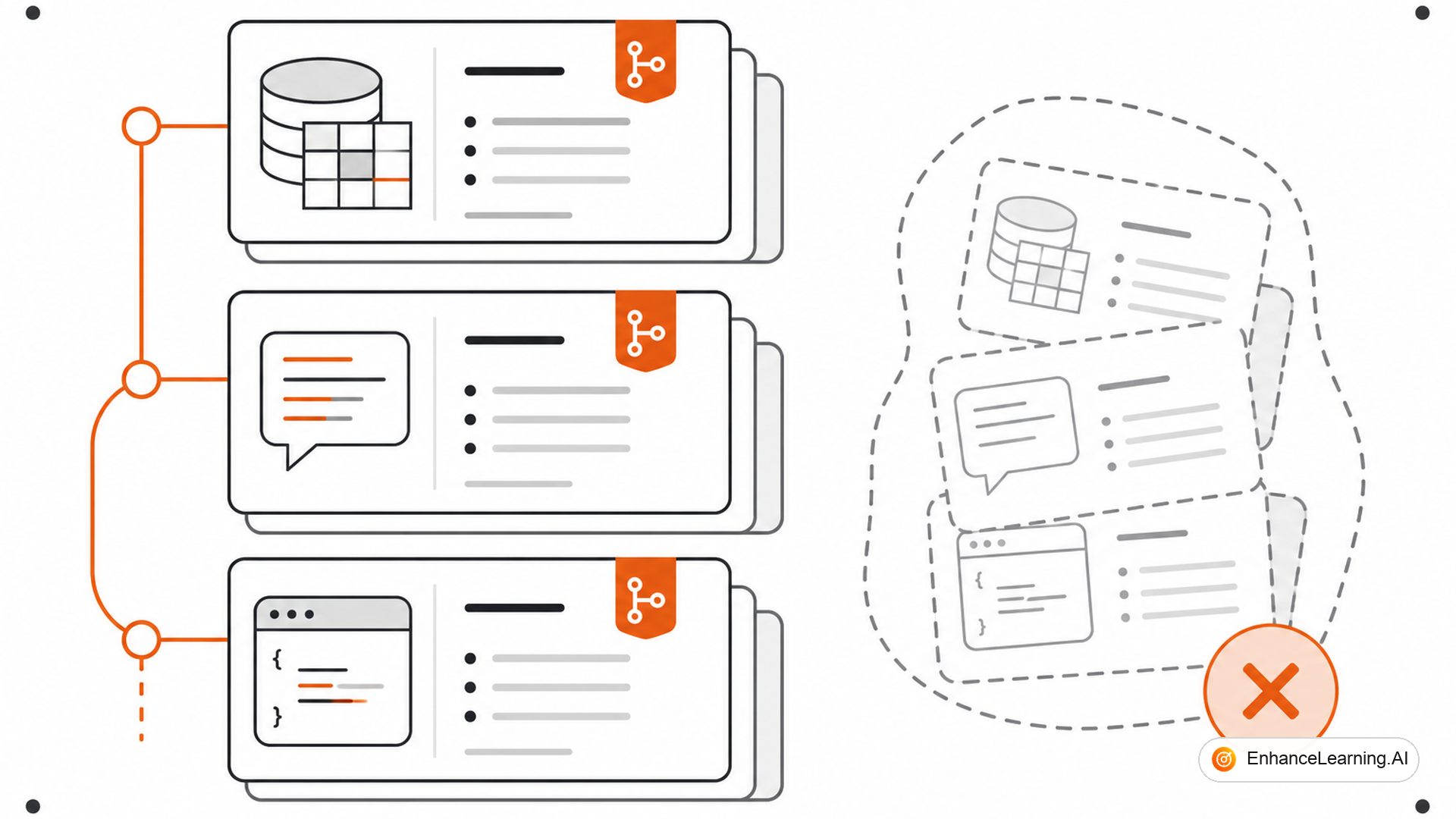
Unversioned eval logic, datasets, and judge prompts make regression analysis unreliable. Treat eval artifacts as managed code with semver and changelogs.
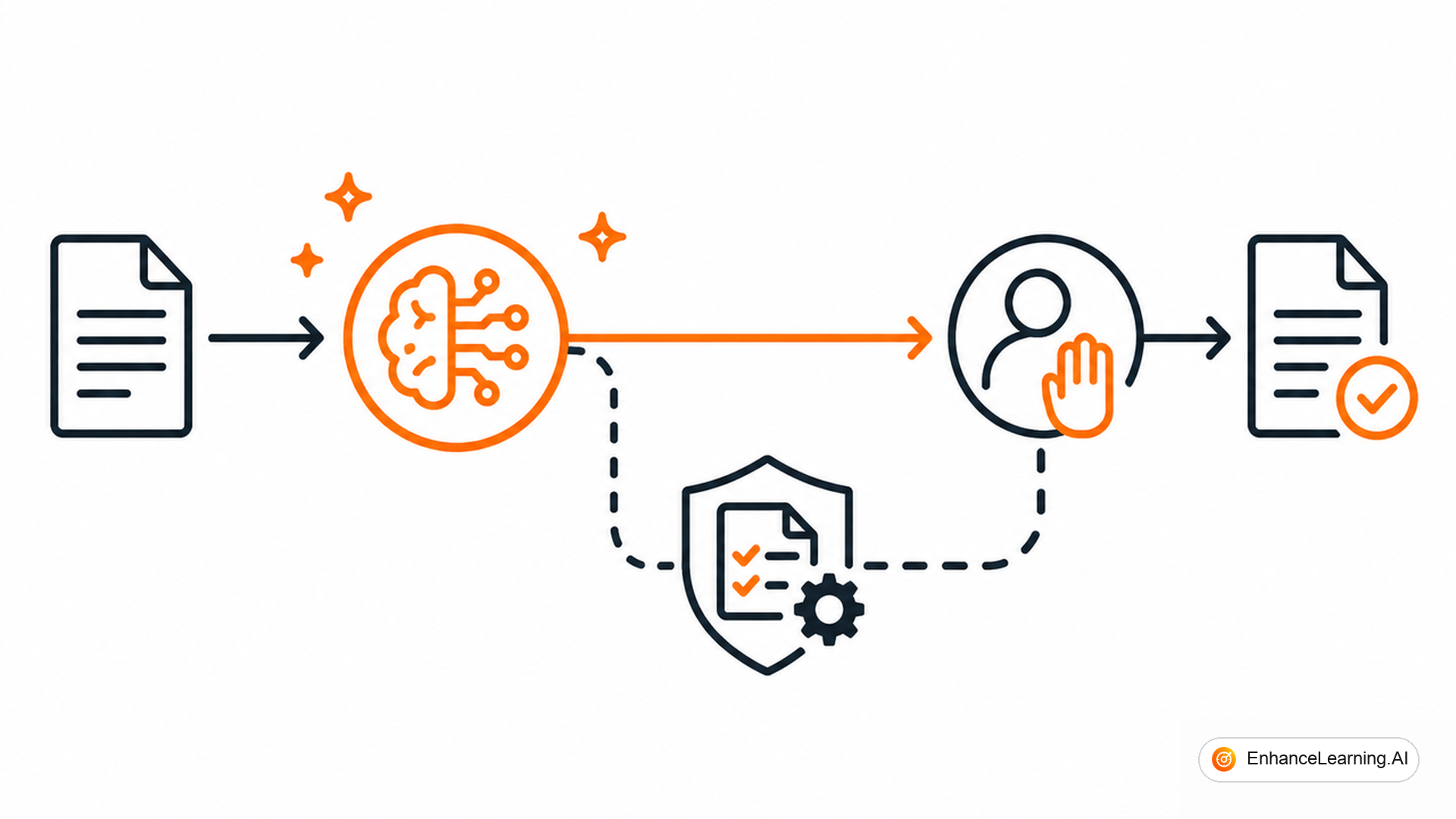
When models fail or confidence drops, AI-native systems need layered fallbacks — rule engines, cached answers, human queues — not generic error messages.
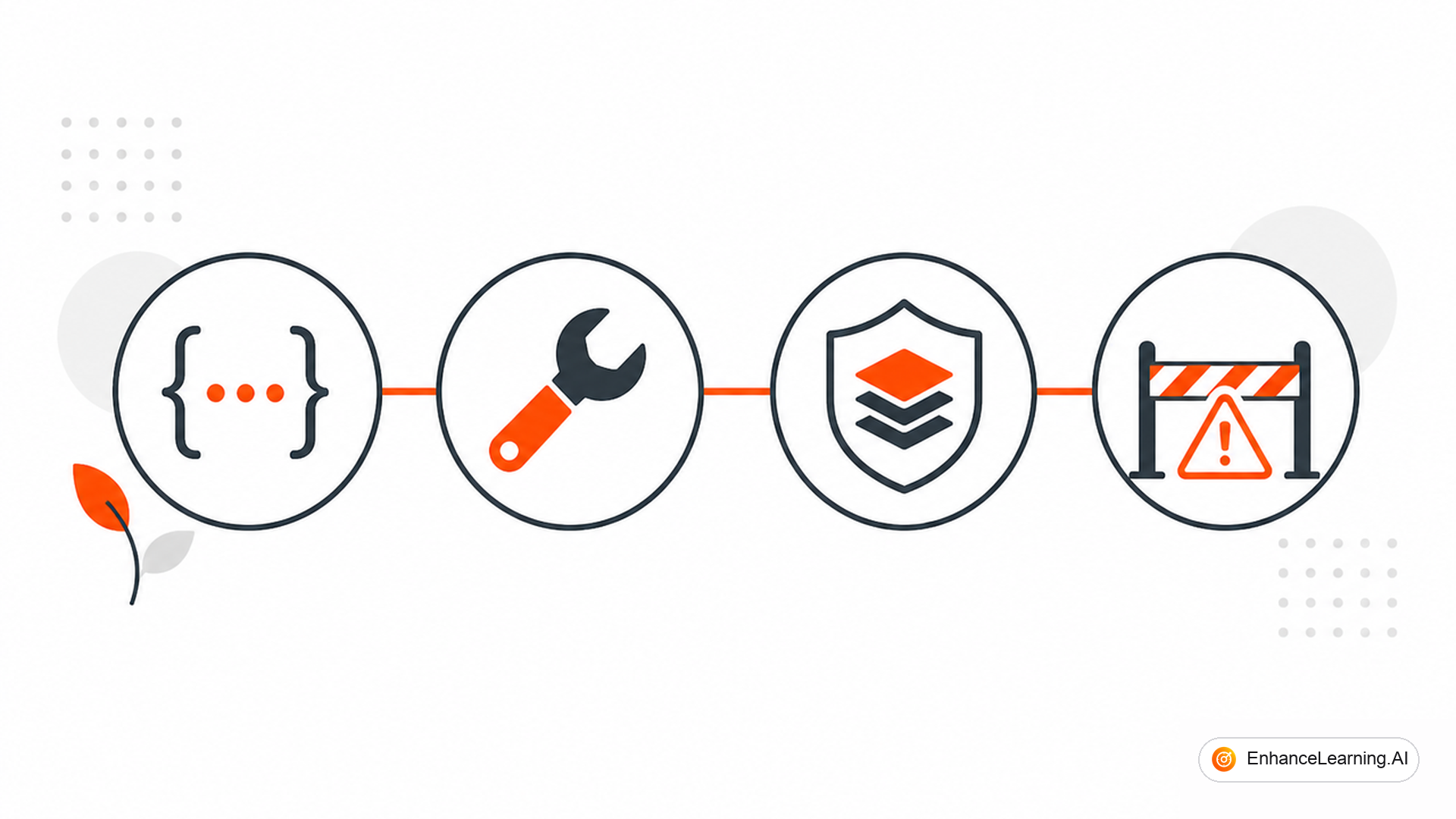
Structured outputs, tool reliability, layered guardrails, and predictable failure — the principles that separate durable AI-native products from fragile demos.
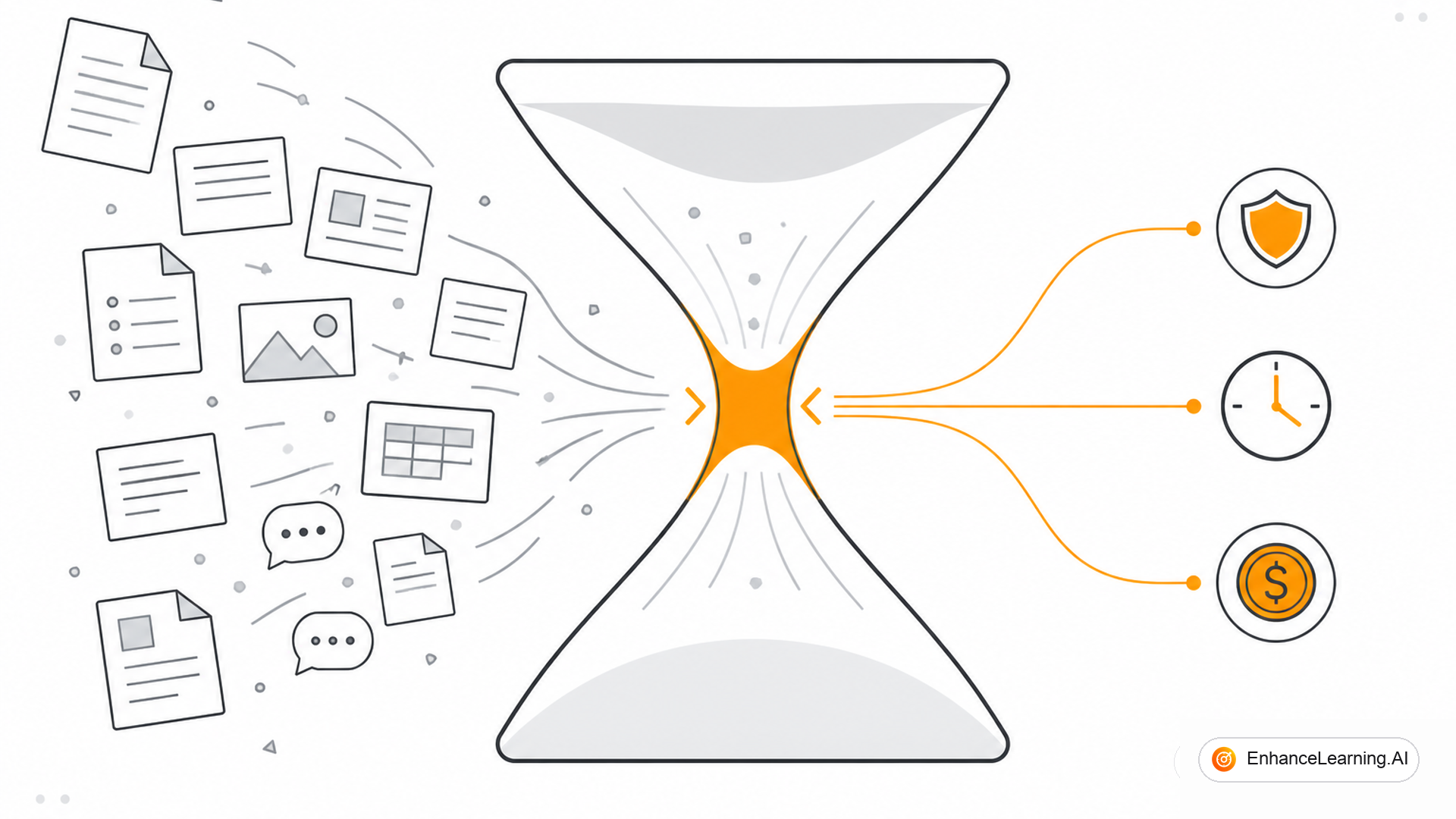
Context assembly — not model size — limits reliability, latency, and cost in production AI. It is the most under-engineered layer in most stacks.
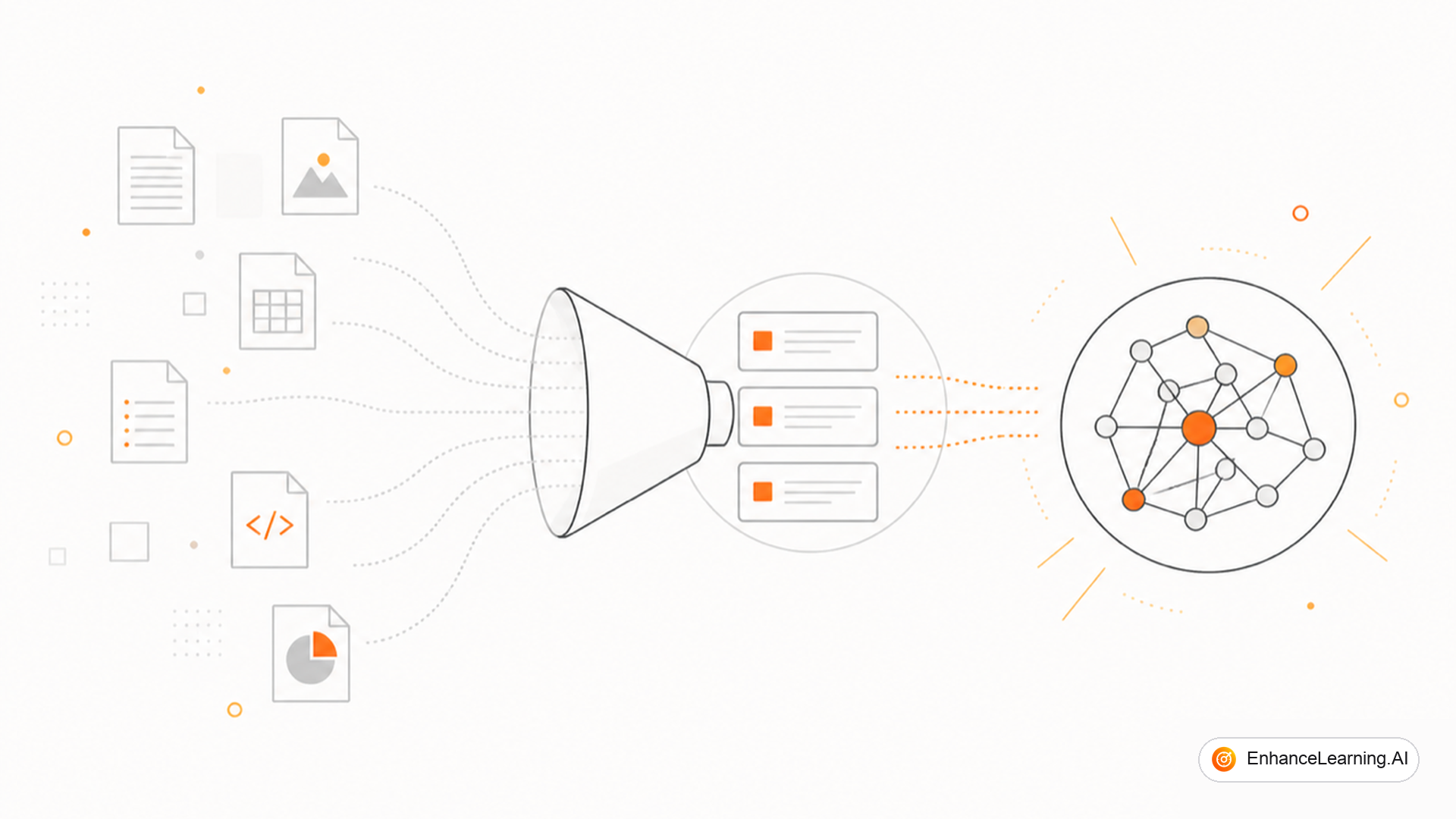
Where production RAG breaks: chunking mistakes, retrieval that looks fine in demos, missing reranking, and evaluation that never measures answer faithfulness.

Richer LLM context improves answers until prefill latency hurts UX. Measure the trade-off between context size, inference time, and product responsiveness.